European eel (Anguilla anguilla)
Key facts
- Scientific name
- Anguilla anguilla
- Common name
- European eel
- Category
- Fish
- Family
- Anguillidae
- Genus
- Anguilla
- Size
- 50–130 cm
- Depth
- 0–700 m
- IUCN status
- Critically endangered (CR)
- Danger level
- Harmless
- Habitats
- rocky-reef, sand
- Behaviours
- solitary, nocturnal
- Ocean zones
- East Atlantic, Macaronesia, Mediterranean
Description
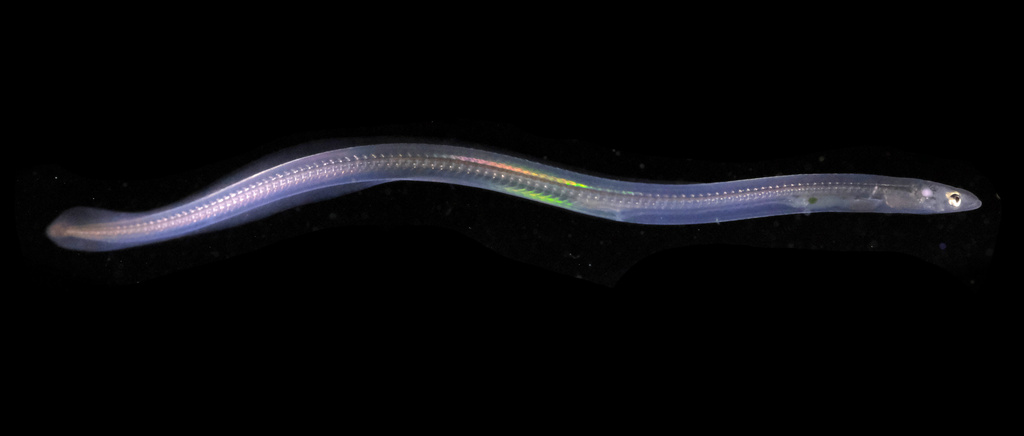
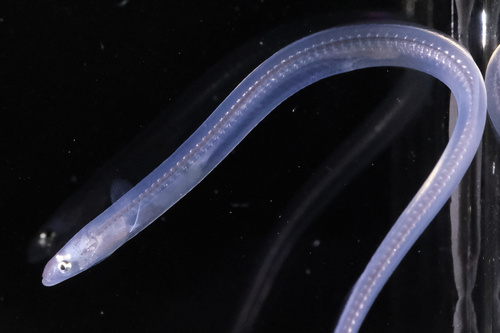
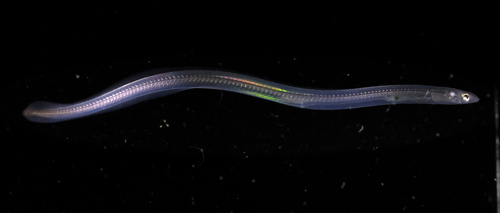
Anguilla anguilla reaches 1.3 m. Serpentine eel body olive-brown in continental phase, becoming silver in reproductive phase. Remarkable life cycle: unique reproduction in Sargasso Sea, transparent leptocephali larvae drifting 1 to 3 years with Gulf Stream toward European coasts, metamorphosis into transparent glass eels then penetration into fresh water, growth 5 to 20 years in European rivers (yellow eel), then adult migration of 6000 km across Atlantic for reproduction and death. IUCN Critically Endangered following collapse of populations. Distribution Mediterranean, East Atlantic, North Sea, Baltic. Iconic photo subject for its fascinating migratory cycle.
Photo of European eel
Frequently asked questions
- How big is the European eel?
- European eel (Anguilla anguilla) reaches 50–130 cm in length.
- At what depth can you find the European eel?
- European eel is found between 0–700 m deep.
- Is the European eel dangerous to divers?
- Danger level: Harmless.
- What is the conservation status of the European eel?
- IUCN status: Critically endangered (CR).
- Where can you find the European eel?
- Found in: East Atlantic, Macaronesia, Mediterranean.
Similar species
- Epinephelus marginatus - Dusky grouper
- Amphiprion ocellaris - False clownfish
- Hippocampus guttulatus - Long-snouted seahorse
- Pterois volitans - Red lionfish
- Manta birostris - Giant oceanic manta ray
- Carcharhinus melanopterus - Blacktip reef shark
Sources
- Taxonomy: WoRMS (AphiaID 126281)
- Photos: iNaturalist (CC BY-NC)
- Distribution: GBIF (taxonKey 5212973)
- Conservation: IUCN Red List
- Encyclopedia: Wikipedia