Feather hydroid (Aglaophenia pluma)
Key facts
- Scientific name
- Aglaophenia pluma
- Common name
- Feather hydroid
- Category
- Cnidarians
- Family
- Aglaopheniidae
- Genus
- Aglaophenia
- Size
- 3–8 cm
- Depth
- 2–50 m
- IUCN status
- Least concern (LC)
- Danger level
- Harmless
- Habitats
- rocky-reef
- Behaviours
- benthic, colonial
- Ocean zones
- East Atlantic, Macaronesia, Mediterranean
Description
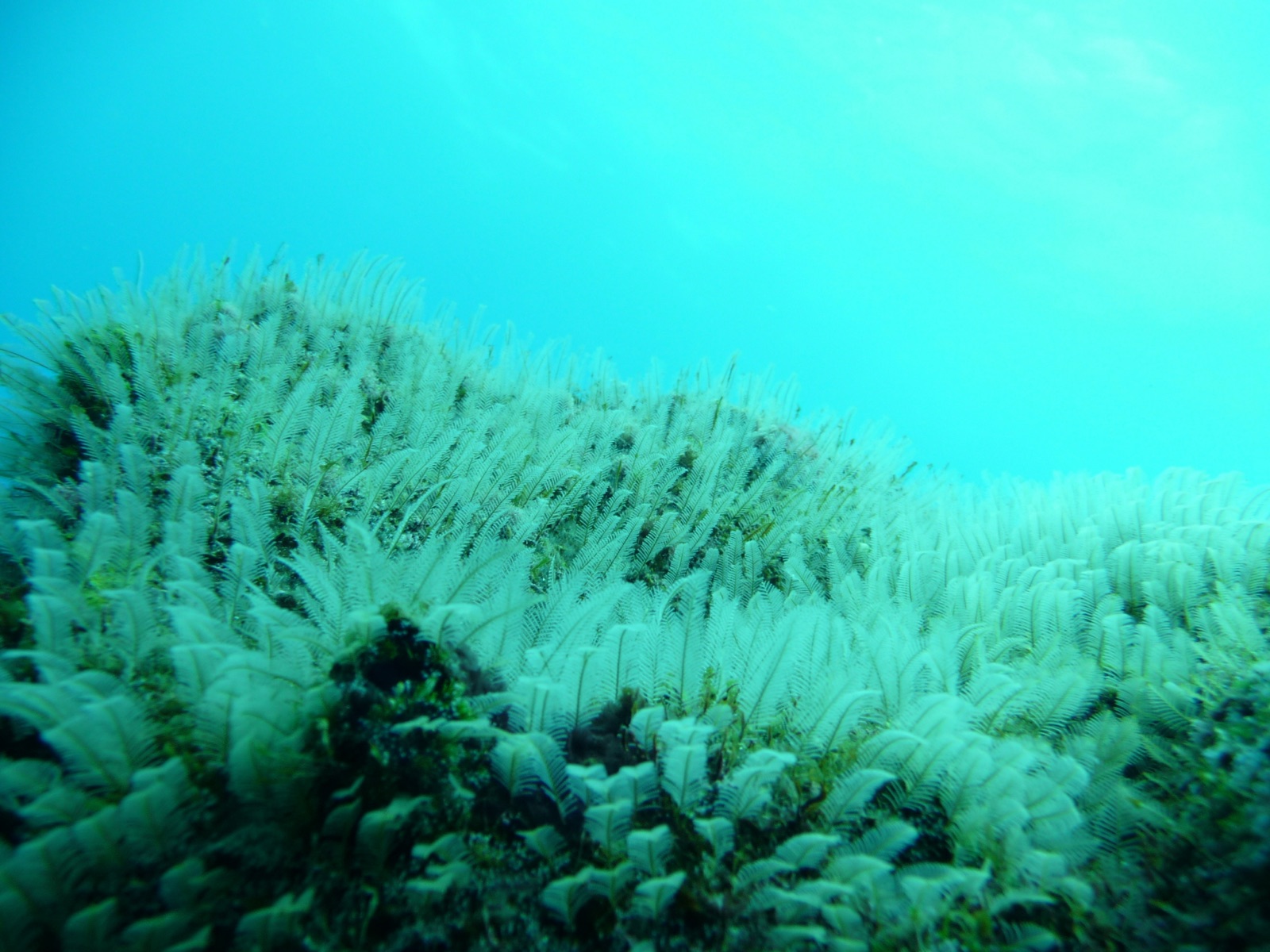
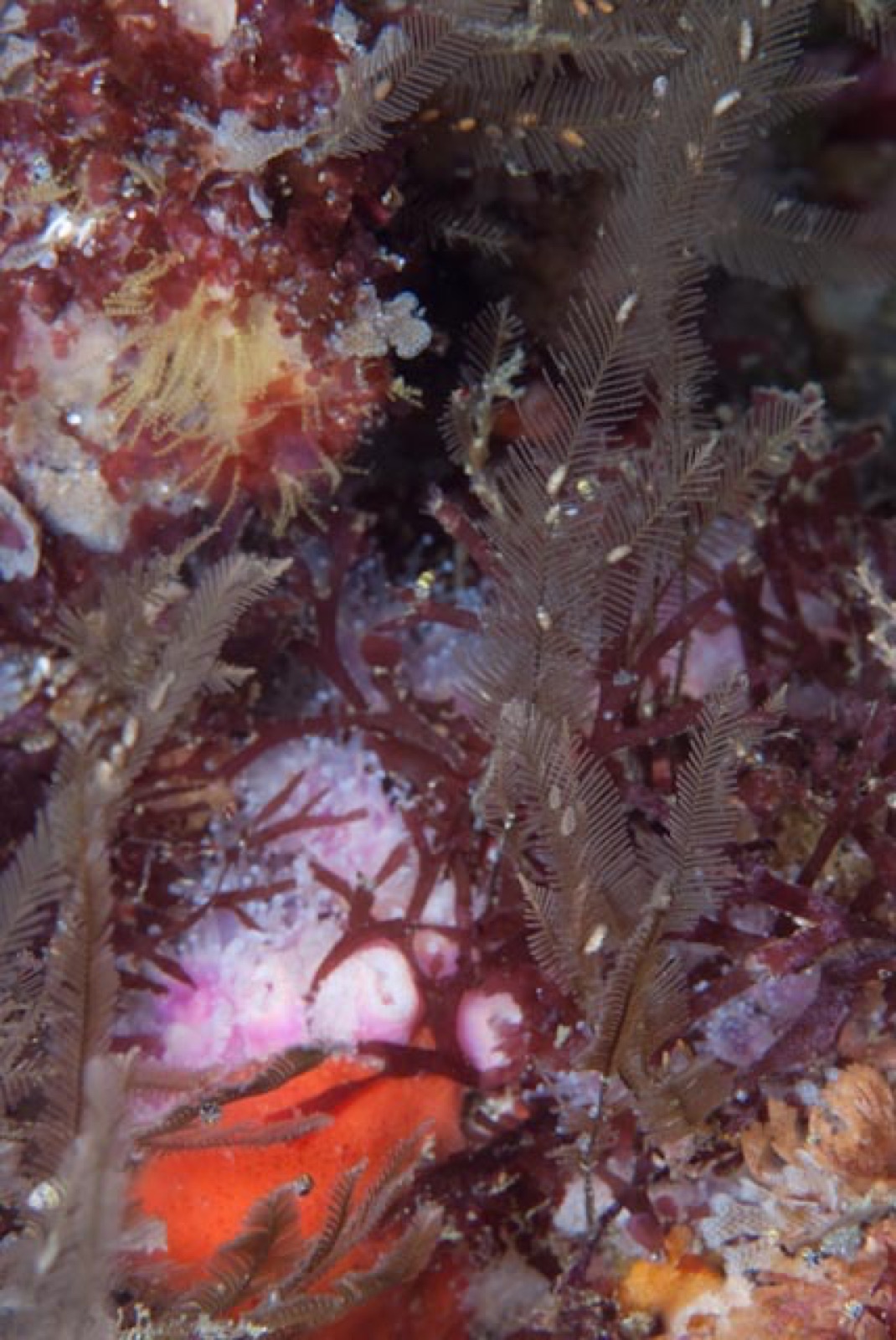
Aglaophenia pluma reaches 8 cm. Small colonial hydroid (Aglaopheniidae) Mediterranean and East Atlantic temperate with erect colonial body in bipinnate feather shape yellow-brown to orange-brown, central axis with regular tightly packed branches forming a comb. Lives from 2 to 50 m on rocky reefs, attached to hard supports, gorgonians, and shells. Plankton filter feeder. Urticating: contact can cause redness and itching in sensitive divers. Discreet but common Mediterranean macro dive photo subject.
Photo of Feather hydroid
Frequently asked questions
- How big is the Feather hydroid?
- Feather hydroid (Aglaophenia pluma) reaches 3–8 cm in length.
- At what depth can you find the Feather hydroid?
- Feather hydroid is found between 2–50 m deep.
- Is the Feather hydroid dangerous to divers?
- Danger level: Harmless.
- What is the conservation status of the Feather hydroid?
- IUCN status: Least concern (LC).
- Where can you find the Feather hydroid?
- Found in: East Atlantic, Macaronesia, Mediterranean.
Other species in the family Aglaopheniidae
- Macrorhynchia philippina - Stinging hydroid fern
- Lytocarpia myriophyllum - Mediterranean giant fern hydroid
Sources
- Taxonomy: WoRMS (AphiaID 117283)
- Photos: iNaturalist (CC BY-NC)
- Distribution: GBIF (taxonKey 2267393)
- Conservation: IUCN Red List
- Encyclopedia: Wikipedia