Cachalot nain (Kogia breviceps)
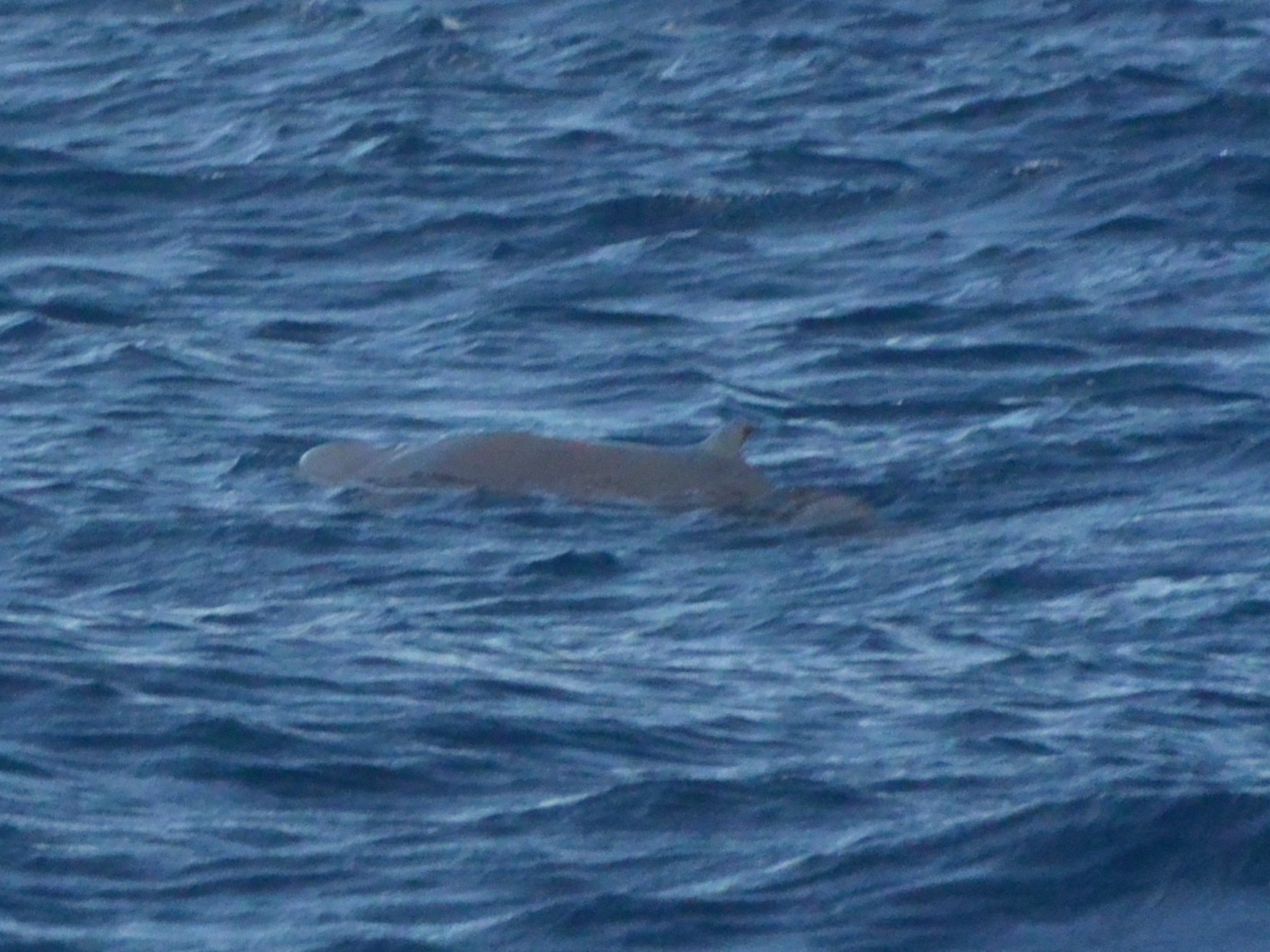
Caractéristiques
- Nom scientifique
- Kogia breviceps
- Nom commun
- Cachalot nain
- Catégorie
- Mammifères marins
- Famille
- Kogiidae
- Genre
- Kogia
- Taille
- 270–400 cm
- Profondeur
- 100–3000 m
- Statut UICN
- Préoccupation mineure (LC)
- Niveau de danger
- Inoffensif
- Habitats
- open-water
- Comportements
- pelagic, slow-mover
- Zones océaniques
- Pacifique asiatique, Caraïbes, Atlantique Est, Pacifique Est, Océan Indien & Mer Rouge, Macaronésie, Méditerranée
Description
Cachalot nain (270-400 cm) gris-brun discret ressemblant cachalot géant. Pélagique très profond (100-3000 m) mondial. Plongeur extrême abyssal lentement. Enjeu conservation : préoccupation mineure. Observation plongée : exceptionnelle impossible.
Photo de Cachalot nain
Questions fréquentes
- Quelle est la taille de Cachalot nain ?
- Cachalot nain (Kogia breviceps) mesure entre 270–400 cm.
- À quelle profondeur trouve-t-on Cachalot nain ?
- On rencontre Cachalot nain entre 100–3000 m de profondeur.
- Cachalot nain est-il dangereux pour les plongeurs ?
- Niveau de danger : Inoffensif.
- Quel est le statut de conservation de Cachalot nain ?
- Statut UICN : Préoccupation mineure (LC).
- Où trouver Cachalot nain ?
- Présent en: Pacifique asiatique, Caraïbes, Atlantique Est, Pacifique Est, Océan Indien & Mer Rouge, Macaronésie, Méditerranée.
Espèces similaires
- Tursiops truncatus - Grand dauphin
- Lutra lutra - Loutre d'Europe
- Ziphius cavirostris - Ziphius de Cuvier
- Megaptera novaeangliae - Baleine à bosse
- Balaenoptera edeni - Rorqual de Bryde
- Balaenoptera physalus - Rorqual commun
Sources
- Taxonomie: WoRMS (AphiaID 137113)
- Photos: iNaturalist (CC BY-NC)
- Distribution: GBIF (taxonKey 2440694)
- Conservation: IUCN Red List
- Encyclopédie: Wikipedia