Neptune grass (Posidonia oceanica)
Key facts
- Scientific name
- Posidonia oceanica
- Common name
- Neptune grass
- Category
- Algae
- Family
- Posidoniaceae
- Genus
- Posidonia
- Size
- 30–100 cm
- Depth
- 0–45 m
- IUCN status
- Least concern (LC)
- Danger level
- Harmless
- Habitats
- seagrass, sand
- Behaviours
- sessile, photosynthetic
- Ocean zones
- East Atlantic, Mediterranean
Description
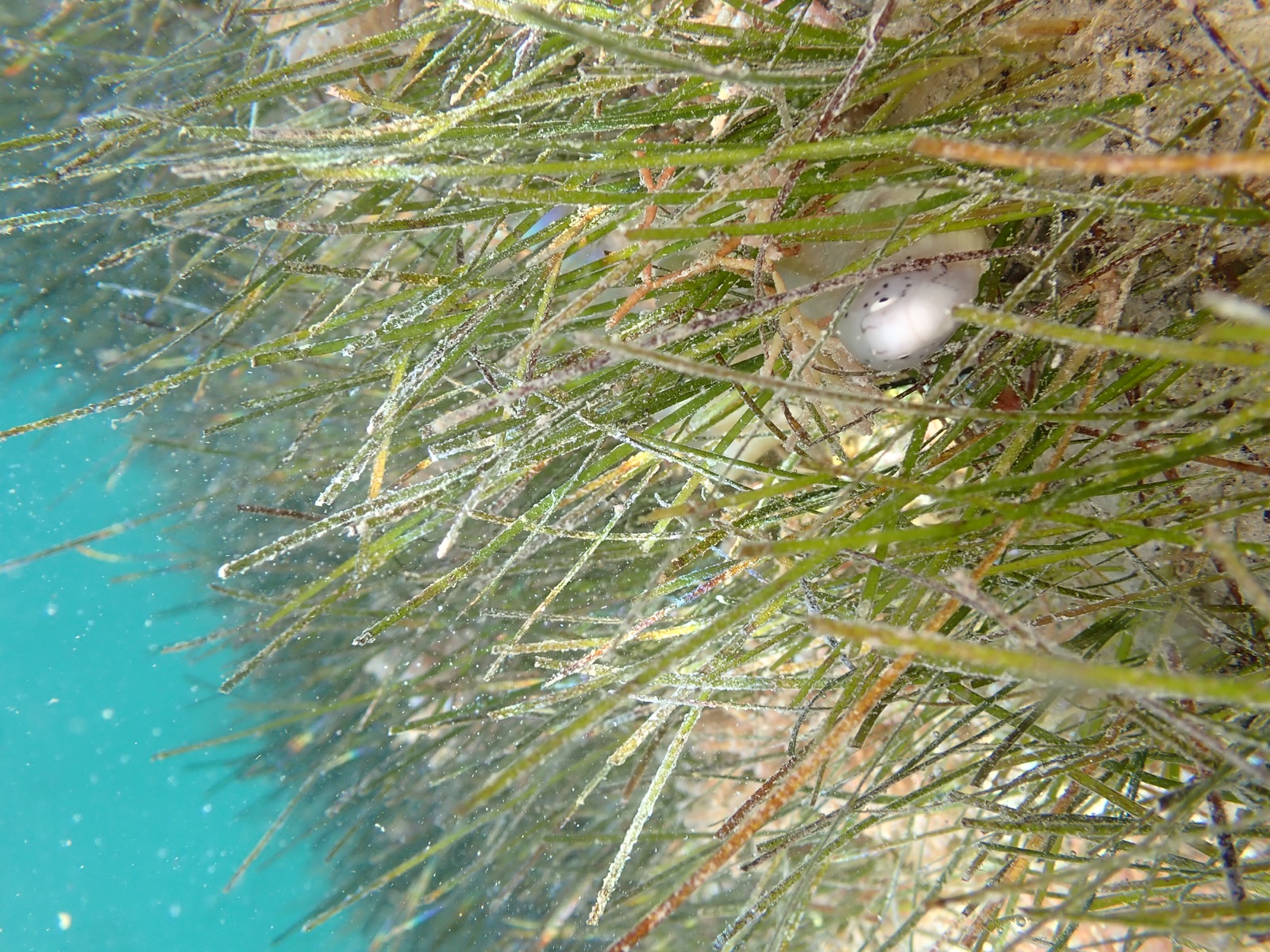
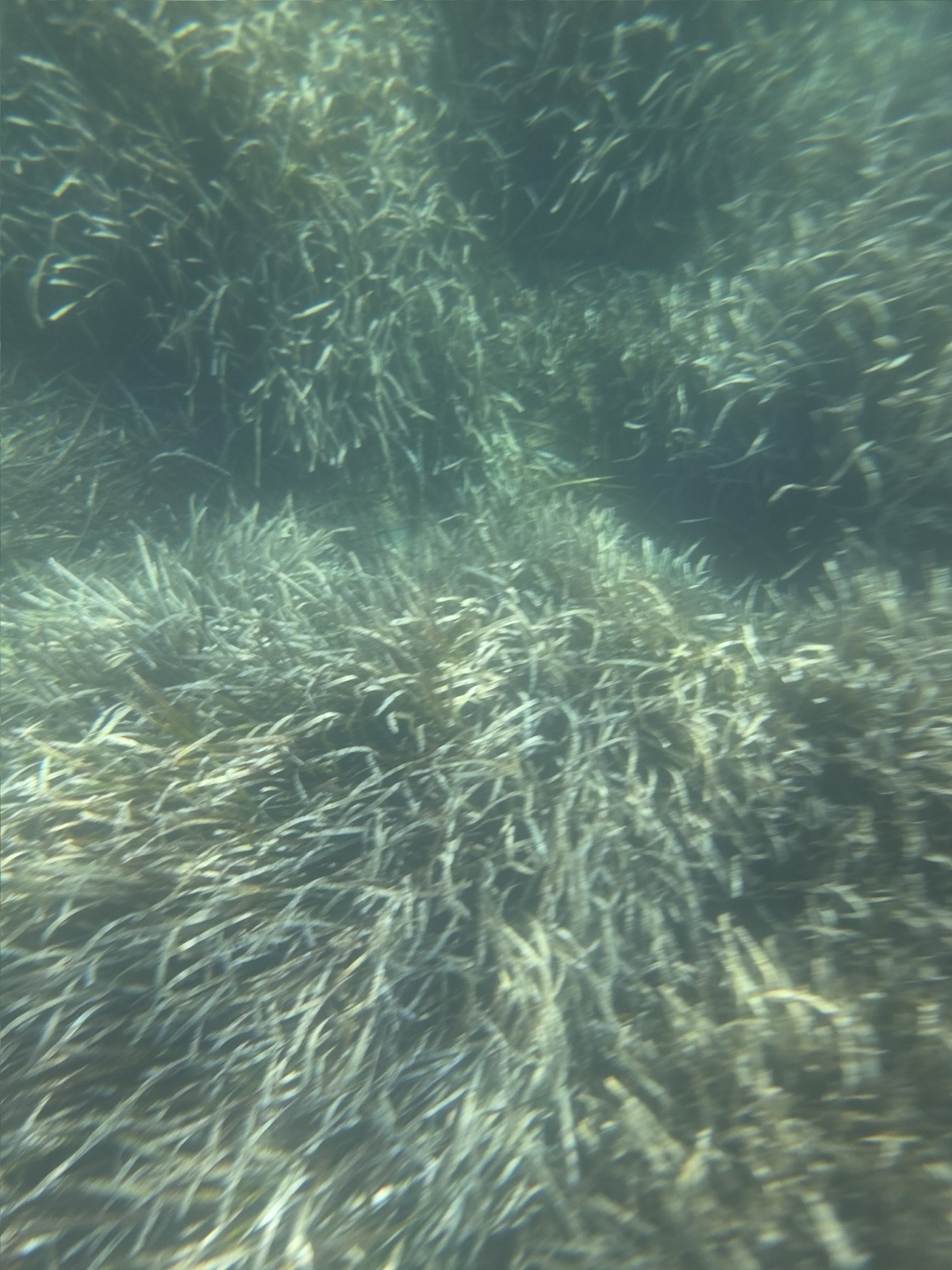
Posidonia oceanica is a marine flowering plant endemic to the Mediterranean, with ribbon leaves of 30 to 100 cm. Forms dense meadows between 0 and 45 m covering millions of hectares. Capital ecological role: fish nursery, habitat for 400+ species, sediment stabilization, CO2 fixation, oxygen production. Some clonal beds are over 100 000 years old. Strictly protected. Critical damage from anchoring and pollution.
Photo of Neptune grass
Frequently asked questions
- How big is the Neptune grass?
- Neptune grass (Posidonia oceanica) reaches 30–100 cm in length.
- At what depth can you find the Neptune grass?
- Neptune grass is found between 0–45 m deep.
- Is the Neptune grass dangerous to divers?
- Danger level: Harmless.
- What is the conservation status of the Neptune grass?
- IUCN status: Least concern (LC).
- Where can you find the Neptune grass?
- Found in: East Atlantic, Mediterranean.
Similar species
- Sargassum vulgare - Common sargassum
- Cymodocea nodosa - Little Neptune grass
- Dictyota dichotoma - Forkweed
- Peyssonnelia squamaria - Peyssonnelia
- Caulerpa prolifera - Leafy caulerpa
- Halimeda tuna - Halimeda
Sources
- Taxonomy: WoRMS (AphiaID 145794)
- Photos: iNaturalist (CC BY-NC)
- Distribution: GBIF (taxonKey 5328663)
- Conservation: IUCN Red List
- Encyclopedia: Wikipedia