Spanish dancer (Hexabranchus sanguineus)
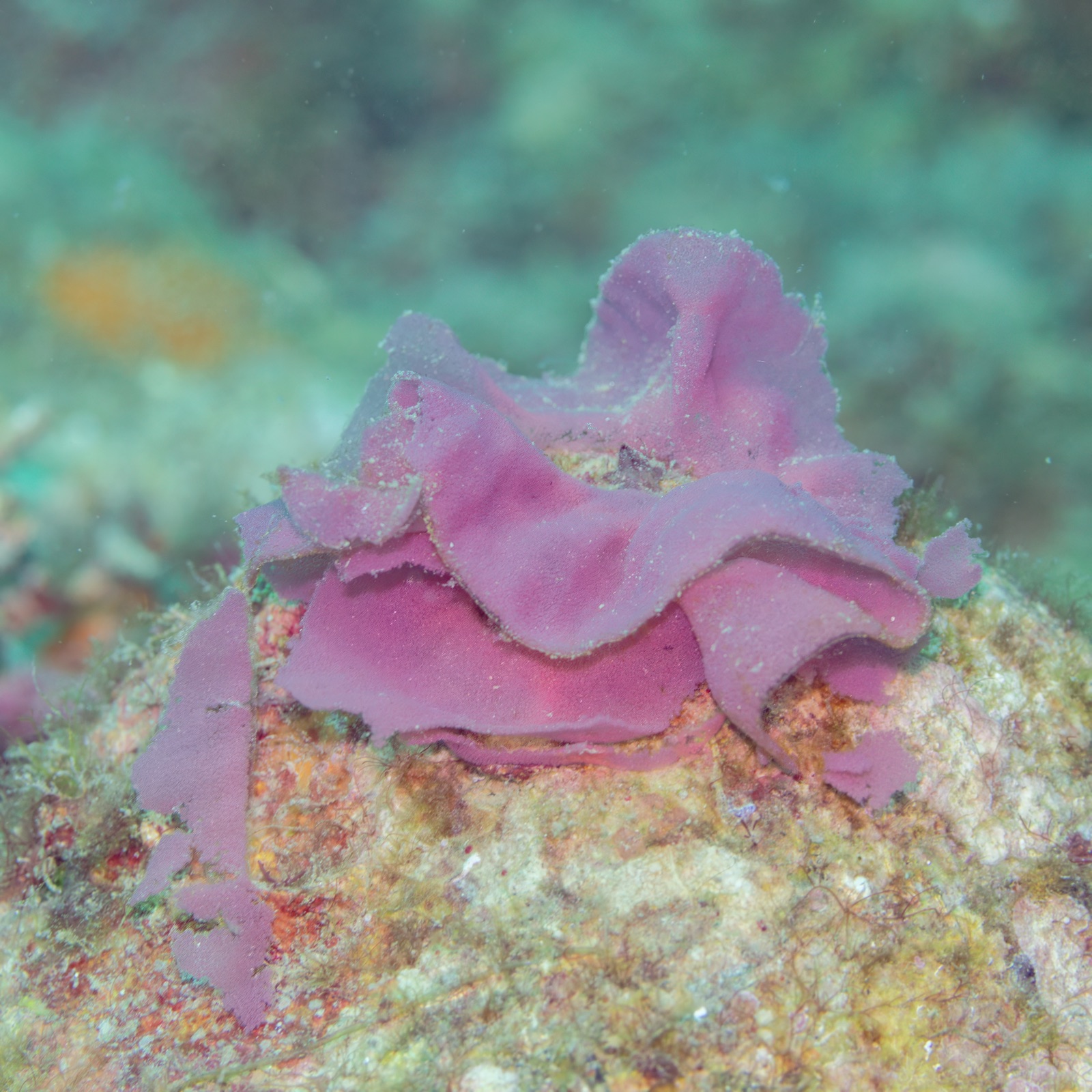
Key facts
- Scientific name
- Hexabranchus sanguineus
- Common name
- Spanish dancer
- Category
- Molluscs
- Family
- Hexabranchidae
- Genus
- Hexabranchus
- Size
- 20–60 cm
- Depth
- 3–40 m
- IUCN status
- Least concern (LC)
- Danger level
- Harmless
- Habitats
- coral-reef, sand
- Behaviours
- benthic, swimming
- Ocean zones
- Asian Pacific, Indian Ocean & Red Sea, Mediterranean
Description
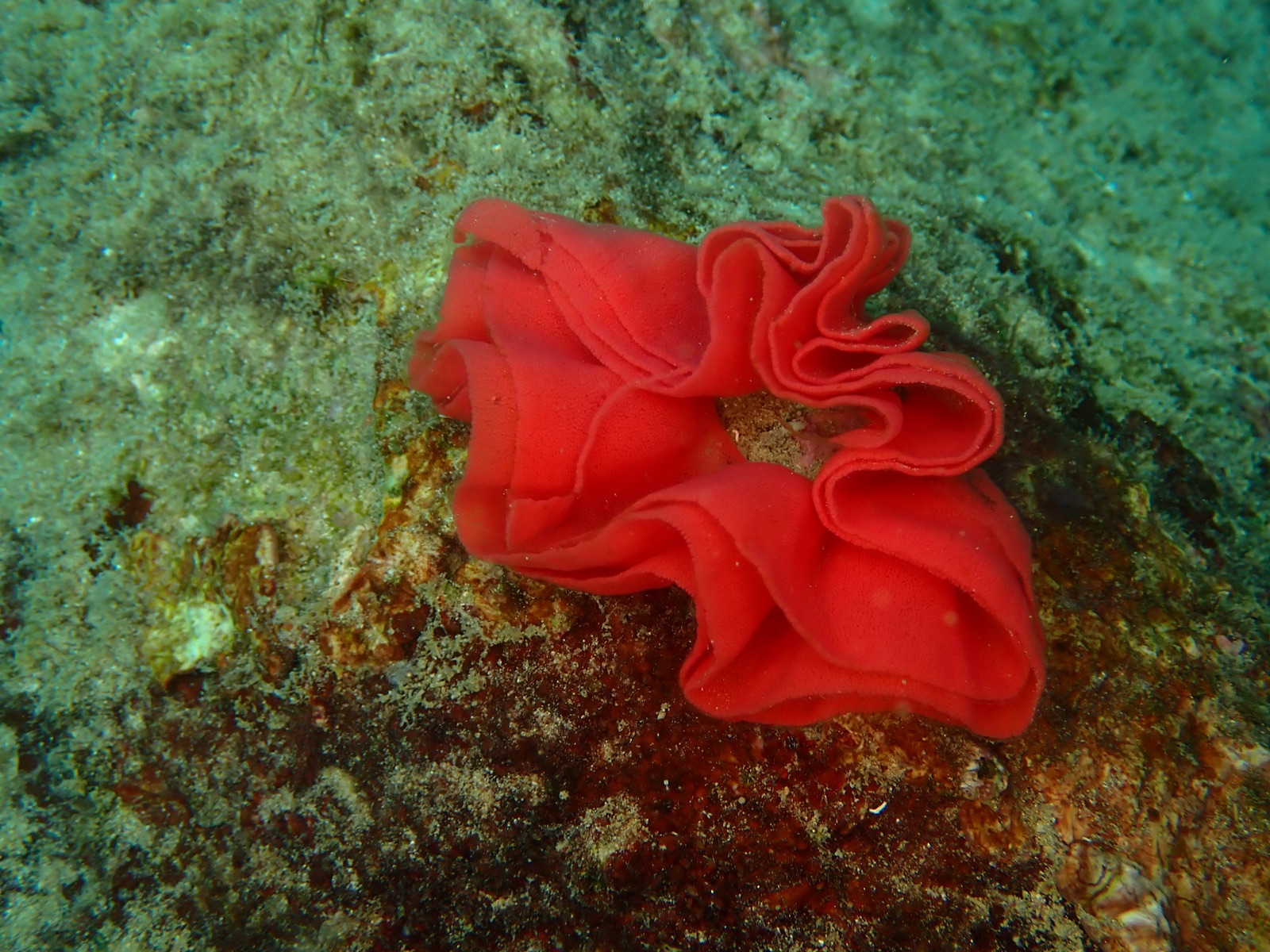
Hexabranchus sanguineus reaches 60 cm, one of the largest nudibranchs worldwide. Spectacular bright red-orange to pink mantle with white or yellow borders, red rhinophores, six-fold gills (hence hexabranchus). Unique behavior: capable of swimming by moving its rolled mantle like a wavy rose, evoking the skirt of a flamenco dancer (hence Spanish dancer). Lives from 3 to 40 m on coral reefs and sand of entire Indo-Pacific (Red Sea to Hawaii). Iconic photo and video subject of coral dives.
Photo of Spanish dancer
Frequently asked questions
- How big is the Spanish dancer?
- Spanish dancer (Hexabranchus sanguineus) reaches 20–60 cm in length.
- At what depth can you find the Spanish dancer?
- Spanish dancer is found between 3–40 m deep.
- Is the Spanish dancer dangerous to divers?
- Danger level: Harmless.
- What is the conservation status of the Spanish dancer?
- IUCN status: Least concern (LC).
- Where can you find the Spanish dancer?
- Found in: Asian Pacific, Indian Ocean & Red Sea, Mediterranean.
Similar species
- Octopus vulgaris - Common octopus
- Sepia officinalis - Common cuttlefish
- Aliger gigas - Queen conch
- Metasepia pfefferi - Flamboyant Cuttlefish
- Chromodoris magnifica - Magnificent chromodoris
- Anomia ephippium - Saddle oyster
Sources
- Taxonomy: WoRMS (AphiaID 220381)
- Photos: iNaturalist (CC BY-NC)
- Distribution: GBIF (taxonKey 5724734)
- Conservation: IUCN Red List
- Encyclopedia: Wikipedia