Lithothamne corallien (Lithothamnion coralloides)
Caractéristiques
- Nom scientifique
- Lithothamnion coralloides
- Nom commun
- Lithothamne corallien
- Catégorie
- Algues
- Famille
- Hapalidiaceae
- Genre
- Lithothamnion
- Taille
- 5–20 cm
- Profondeur
- 0–40 m
- Statut UICN
- Préoccupation mineure (LC)
- Niveau de danger
- Inoffensif
- Habitats
- rocky-reef
- Comportements
- benthic
- Zones océaniques
- Atlantique Est, Méditerranée
Description
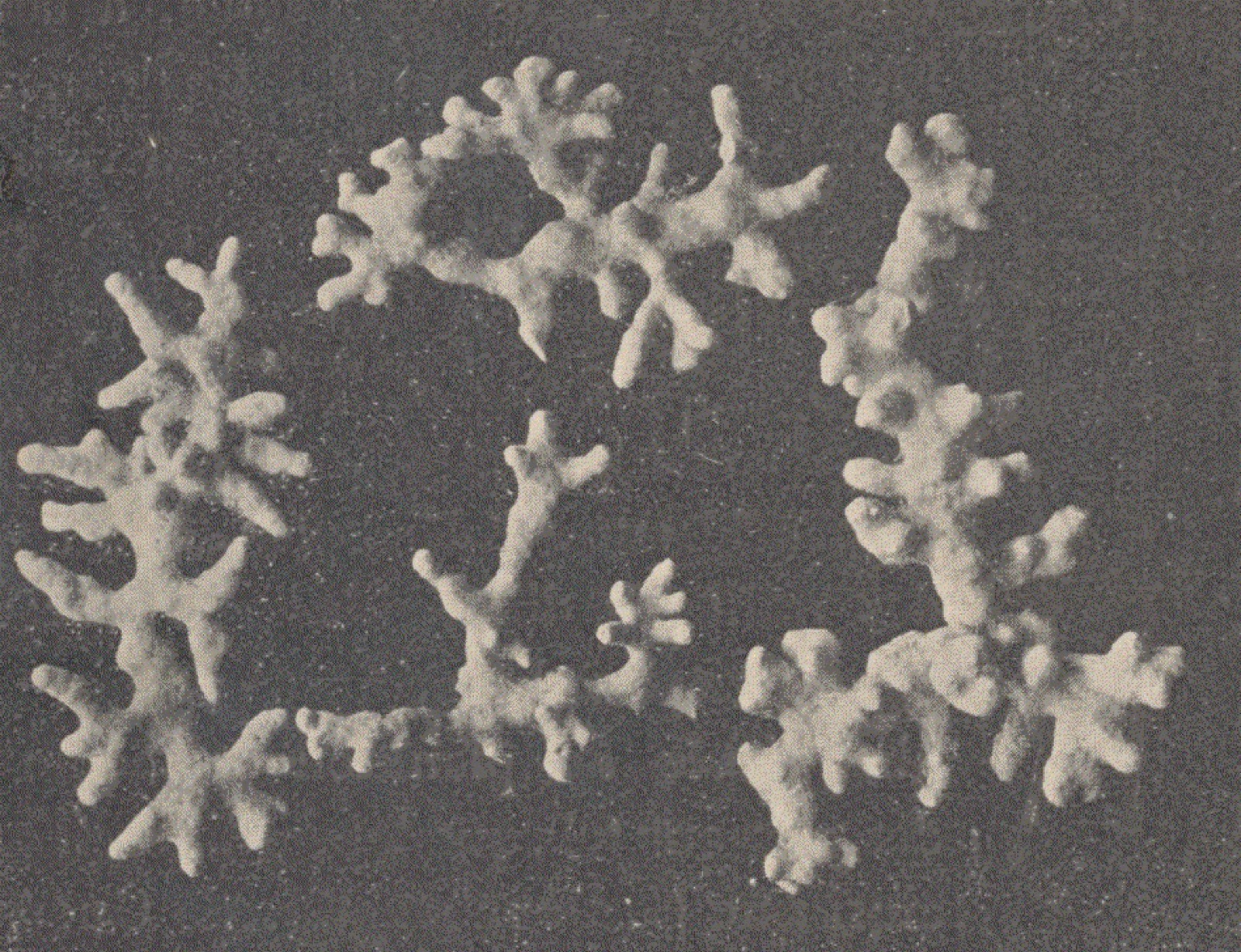
Lithothamnion coralloides atteint 20 cm. Alga rouge calcifiée (Rhodophyta coralline), encroûte rocheuses côtières atlantiques nord. Couleur rose-rouge caractéristique. Dépôt carbonate renforce résilience réef rocheux. Peu profond (0-40 m). Peu menacée = LC. Constructeur écosystème rocheux côtier, très calcaire.
Photo de Lithothamne corallien
Questions fréquentes
- Quelle est la taille de Lithothamne corallien ?
- Lithothamne corallien (Lithothamnion coralloides) mesure entre 5–20 cm.
- À quelle profondeur trouve-t-on Lithothamne corallien ?
- On rencontre Lithothamne corallien entre 0–40 m de profondeur.
- Lithothamne corallien est-il dangereux pour les plongeurs ?
- Niveau de danger : Inoffensif.
- Quel est le statut de conservation de Lithothamne corallien ?
- Statut UICN : Préoccupation mineure (LC).
- Où trouver Lithothamne corallien ?
- Présent en: Atlantique Est, Méditerranée.
Espèces similaires
- Sargassum vulgare - Sargasse commune
- Cymodocea nodosa - Cymodocée noueuse
- Dictyota dichotoma - Dictyote
- Peyssonnelia squamaria - Peyssonnélie
- Posidonia oceanica - Posidonie
- Caulerpa prolifera - Caulerpe proliférante
Sources
- Taxonomie: WoRMS (AphiaID 553096)
- Distribution: GBIF (taxonKey 2655414)
- Conservation: IUCN Red List
- Encyclopédie: Wikipedia